If you are searching for how to choose a universal tensile testing machine for lab quality control, key specifications for electronic tensile tester selection, or what factors to consider when buying a material tensile strength tester, this in-depth blog covers core selection dimensions, frame types, configuration options and practical tips for material testing laboratories.
Tensile testing is one of the most widely-accepted methods for evaluating material mechanical performance. Test specimens are secured by dedicated fixtures and pulled at a constant crosshead speed. The machine continuously captures real-time stress-strain data until sample fracture, delivering critical mechanical property indicators for material evaluation. The primary instrument for this work is the universal tensile testing machine, also commonly referred to as a tensile tester.
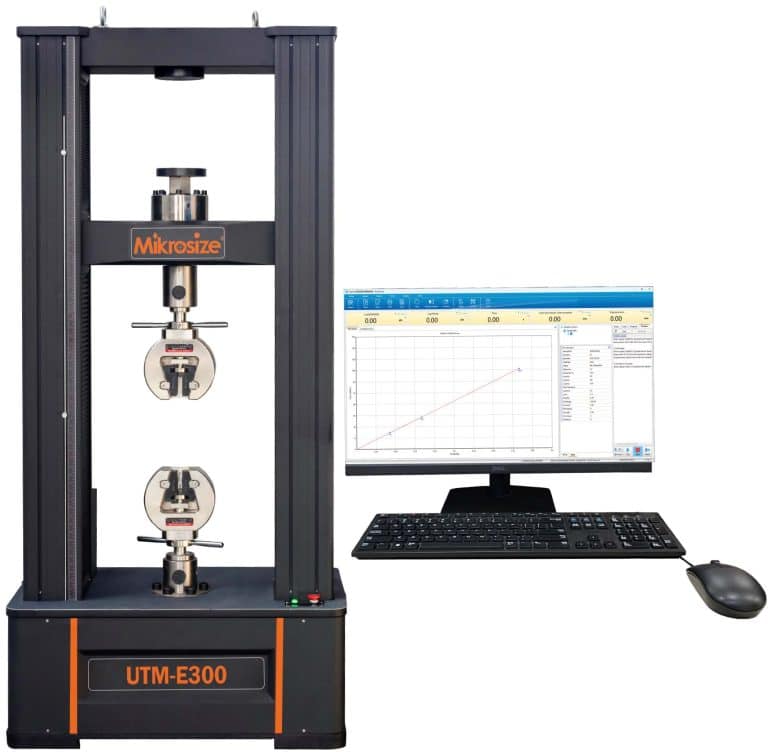
Modern-day electronic universal tensile testing machines have largely replaced old pendulum-style units, offering superior measuring accuracy and long-term stability. These multi-purpose systems can run tensile, compression, bending, shear and peel tests. They serve plastic, rubber, thin-film, pipe, wire-and-cable and many other materials, and are essential equipment for material R&D, physical-property inspection, university research, and industrial product quality management.
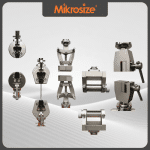
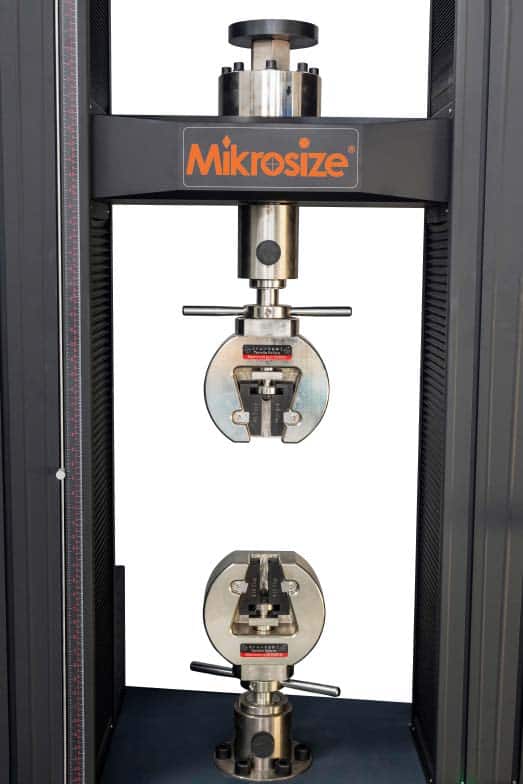
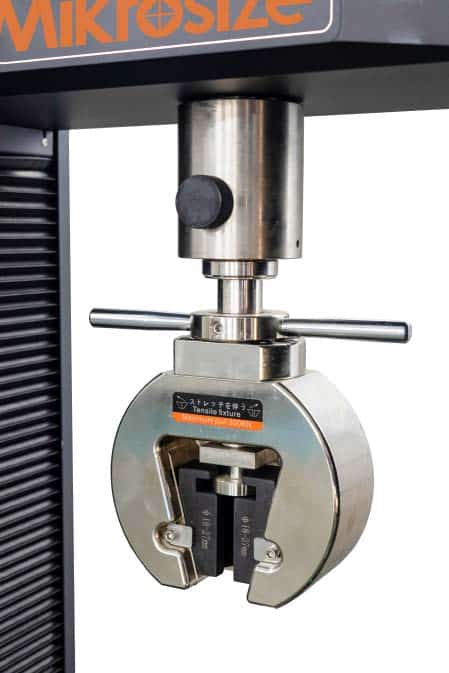
It is worth noting that test fixtures are critical supporting components. Fixtures must be matched to your specimen characteristics; improper fixture selection will compromise test efficiency and measurement accuracy. When sourcing tensile testers, buyers should not blindly pursue high-priced models. The optimal choice balances real-world testing requirements, reasonable cost-performance and reliable build quality. It is advisable to collect multiple quotations and arrange factory site visits before final purchasing decisions. Below are four core selection dimensions to help you pick a well-matched, practical tensile testing machine.
1. Confirm Required Test Force Capacity
The force range for your target materials determines load-cell specifications and machine frame structure; this is your foundational selection factor.
- For lightweight materials including flexible packaging films and small rubber-plastic products: 100 N force-capacity machines with single-column (single-arm) frames are sufficient. Single-column designs are compact, cost-effective and perfectly fit routine low-force inspection scenarios.
- For high-strength materials such as metal sheets and thick profiles requiring test force of 1 ton (10 kN) or higher: select dual-column (gantry-type) frame systems. The rigid dual-column construction guarantees mechanical stability and reliable test-result repeatability under heavy loads.
2. Match Adequate Test Stroke (Crosshead Travel)
Effective test stroke must correspond to material elongation-at-break performance, which is vital for obtaining valid test data.
- For regular flexible packaging films and standard rubber-plastic materials: 600-1000 mm crosshead travel covers most daily test needs.
- For high-elongation materials with elongation exceeding 1000%, choose 1000 mm or 1200 mm long-stroke configurations. Sufficient travel captures full deformation throughout the tensile procedure and prevents distorted test data caused by insufficient travel limits.
3. Reasonably Configure Machine Hardware & Software
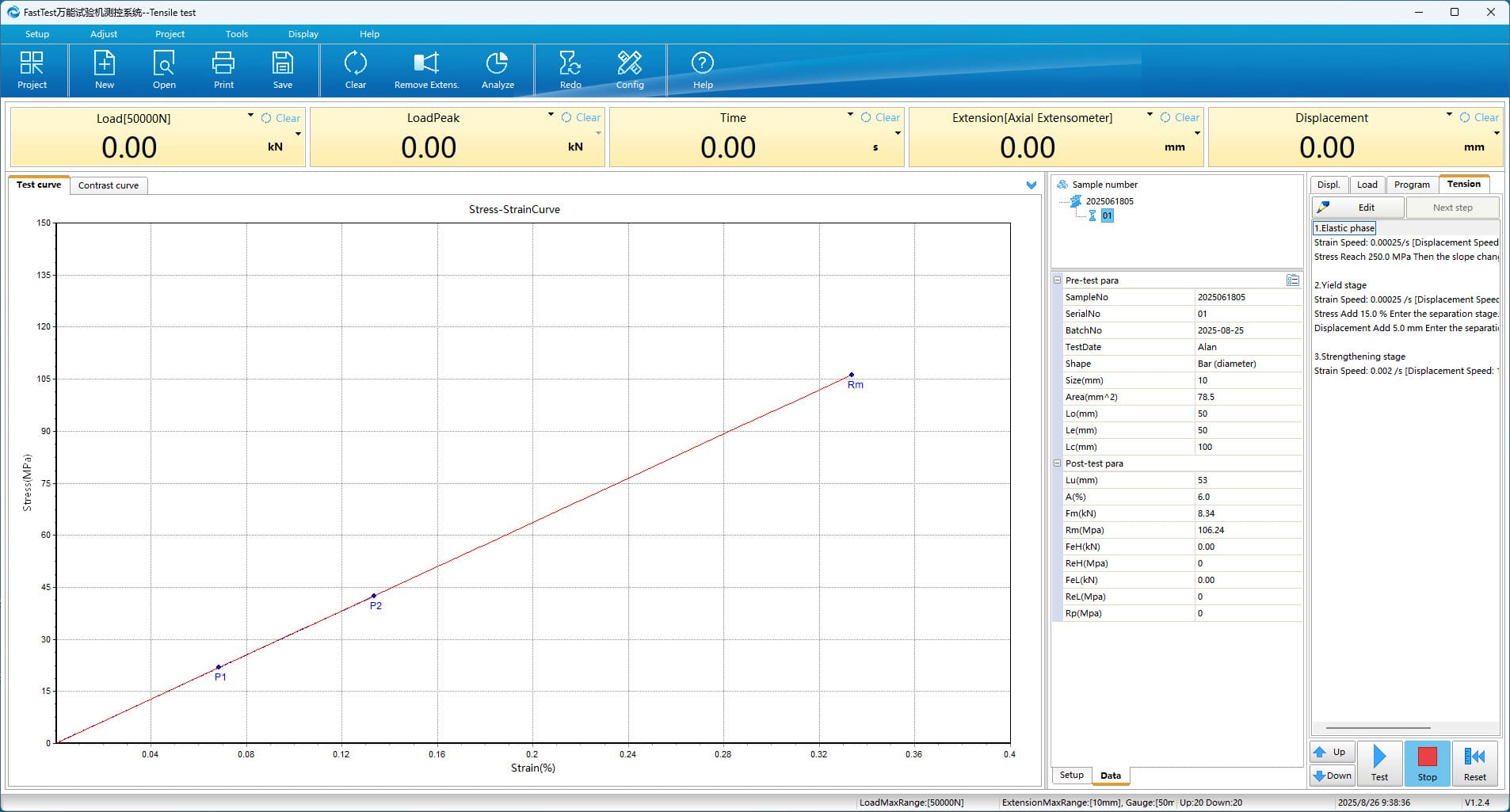
Standard intelligent tensile testers are pre-equipped with mainframe unit, micro-controller and built-in printer, supporting basic measurement, data logging and test-report printing functions. For sophisticated inspection workflows and complex data analysis tasks, upgrade to a PC-based computer control system. Advanced software enables data editing, local zoom-in of stress-strain curves, fully-customizable report templates, and statistical comparison for batches of specimen results. This setup caters to high-precision, high-volume professional testing for enterprise quality-control labs and scientific-research projects.
4. Select Suitable Test Speed System
Crosshead speed regulation performance directly impacts testing precision. Two major speed-control solutions are available on today’s market:
- Ordinary speed-regulation systems: limited adjustable-speed range and mediocre running precision, only fit for basic, low-precision screening tests.
- Servo-driven speed-control systems: wider adjustable-speed range, smoother crosshead movement and significantly improved measurement accuracy. For routine flexible-packaging and rubber-plastic testing, servo-type machines with 5-500 mm/min speed range deliver excellent balance between accuracy and cost-efficiency, covering the majority of common material-testing applications.
Supplementary practical tip: Always double-check fixture compatibility during model confirmation. Even well-specified mainframes will produce invalid data if paired with unsuitable sample grips.
Conclusion
Selecting a suitable universal tensile testing machine requires comprehensive evaluation of force capacity, crosshead stroke, software-hardware configuration and crosshead speed, rather than only comparing price tags. Every parameter should align with your actual specimen types, expected mechanical properties and laboratory throughput demands. Making informed decisions avoids over-specifying costly features you will never use or purchasing under-powered equipment that cannot meet testing standards. When laboratories look for trustworthy tensile-testing-equipment suppliers for quality-control or research-grade material analysis, Mikrosize offers well-engineered universal tensile tester series covering single-column low-force and dual-column high-force models. Mikrosize’s systems adopt stable servo driving modules, user-friendly data-processing software and interchangeable fixture kits, helping material labs acquire consistent, reproducible stress-strain test results for daily quality-assurance and research-oriented tensile-measurement workflows.
-150x150.jpg)