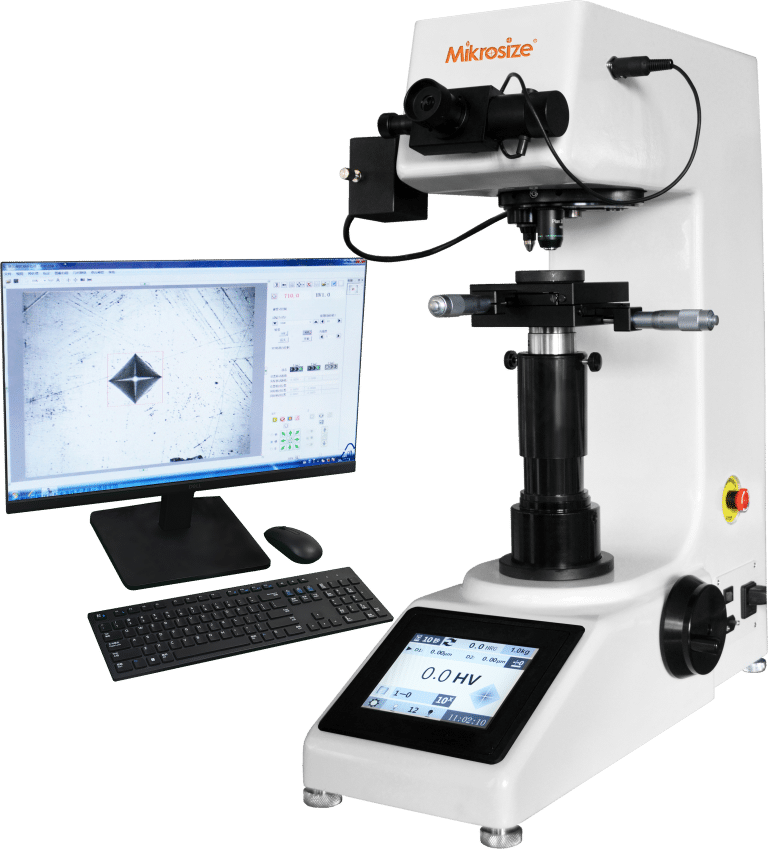
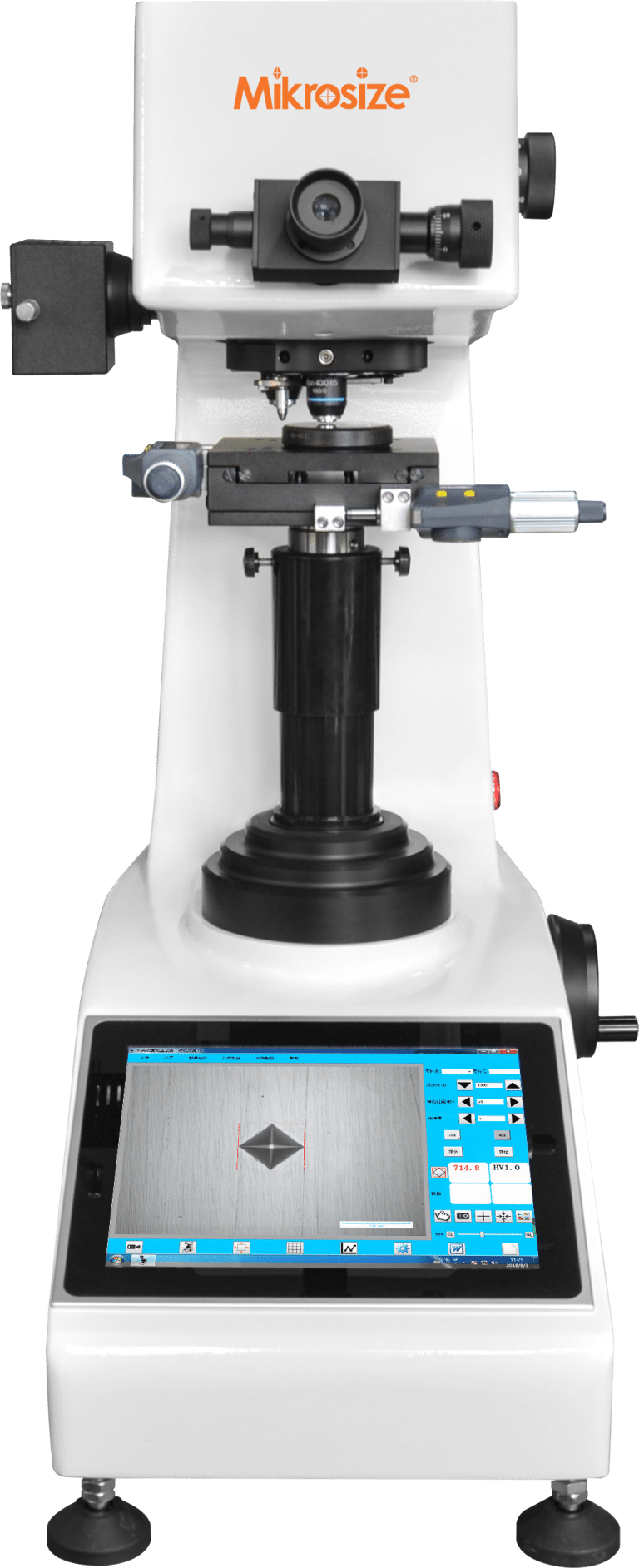
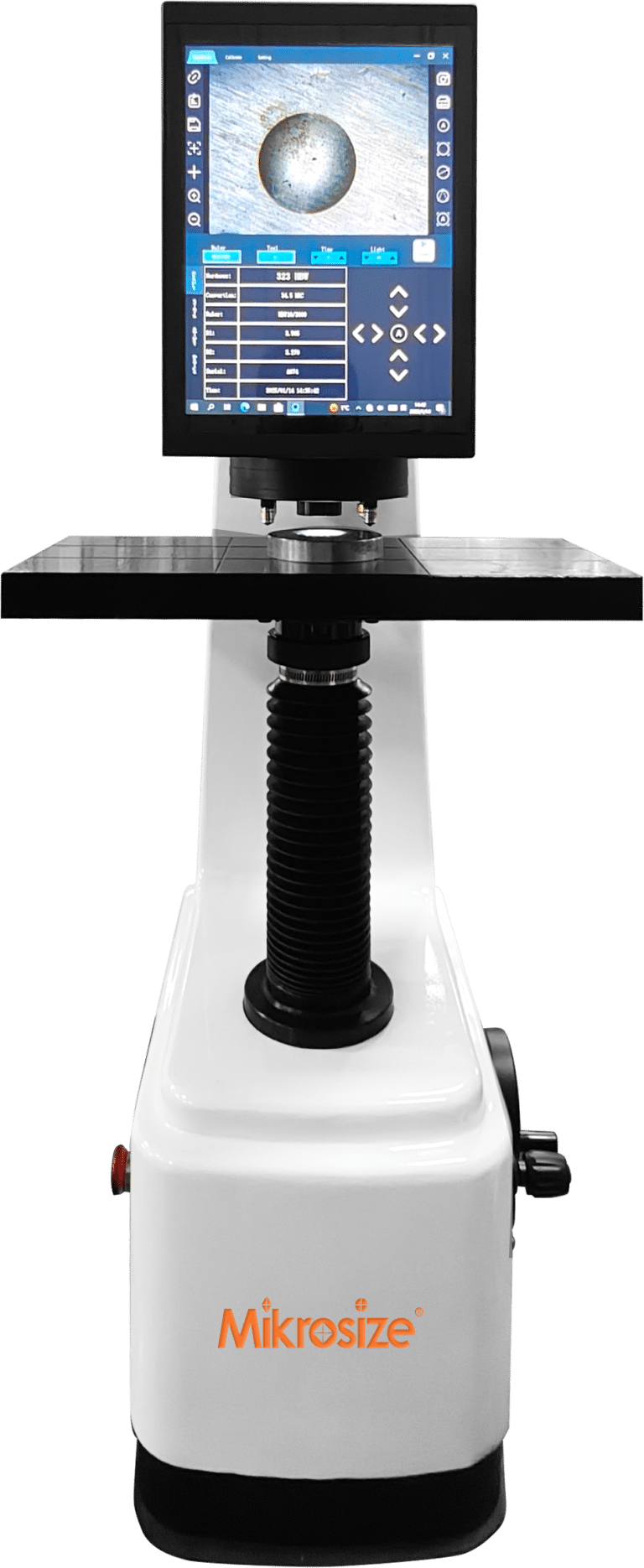
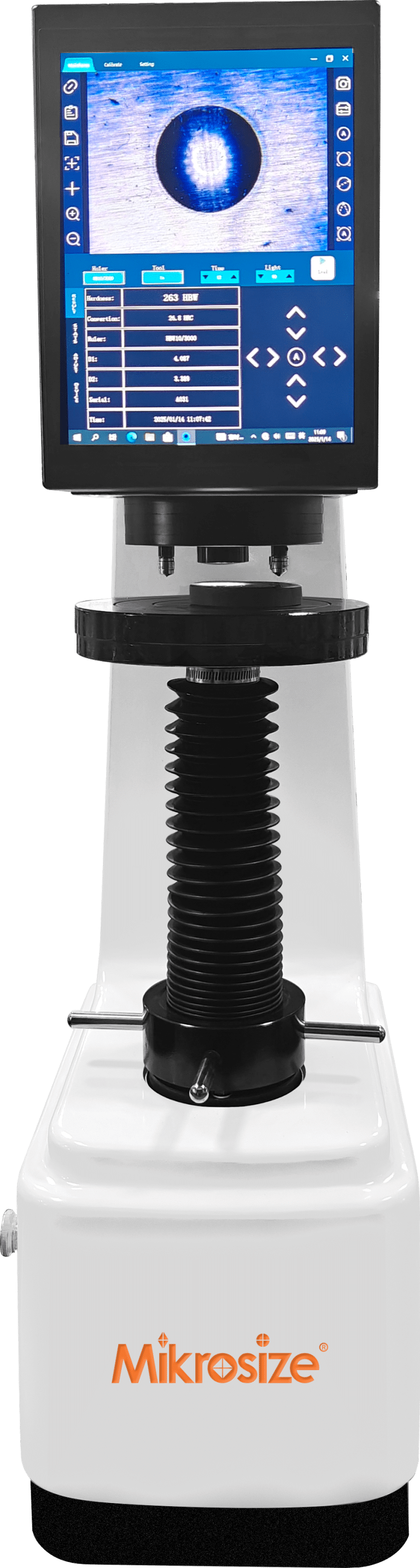
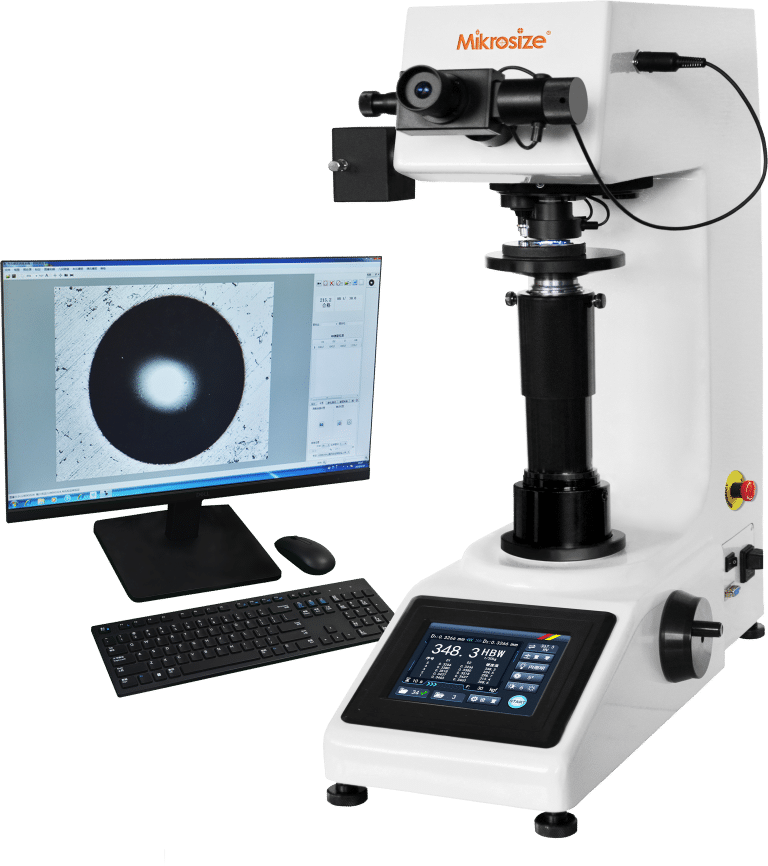
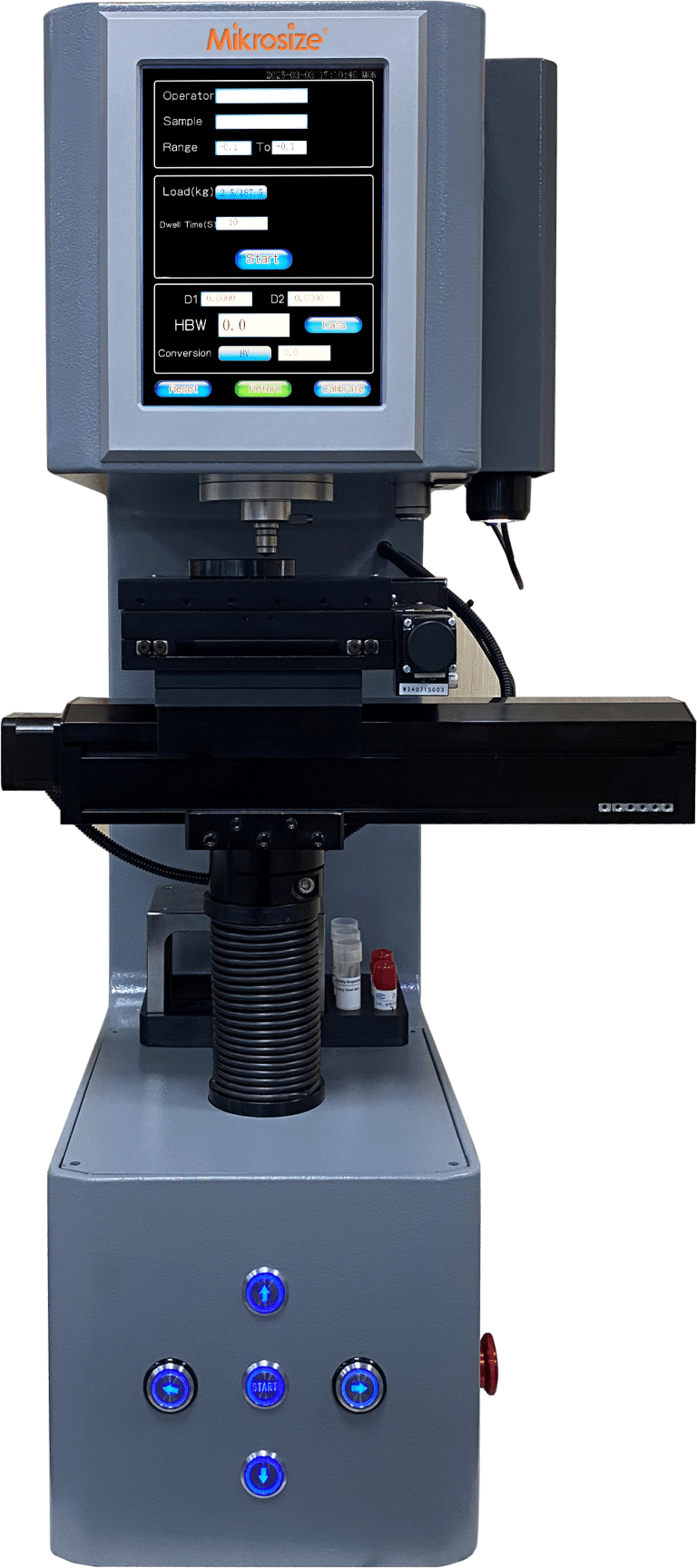
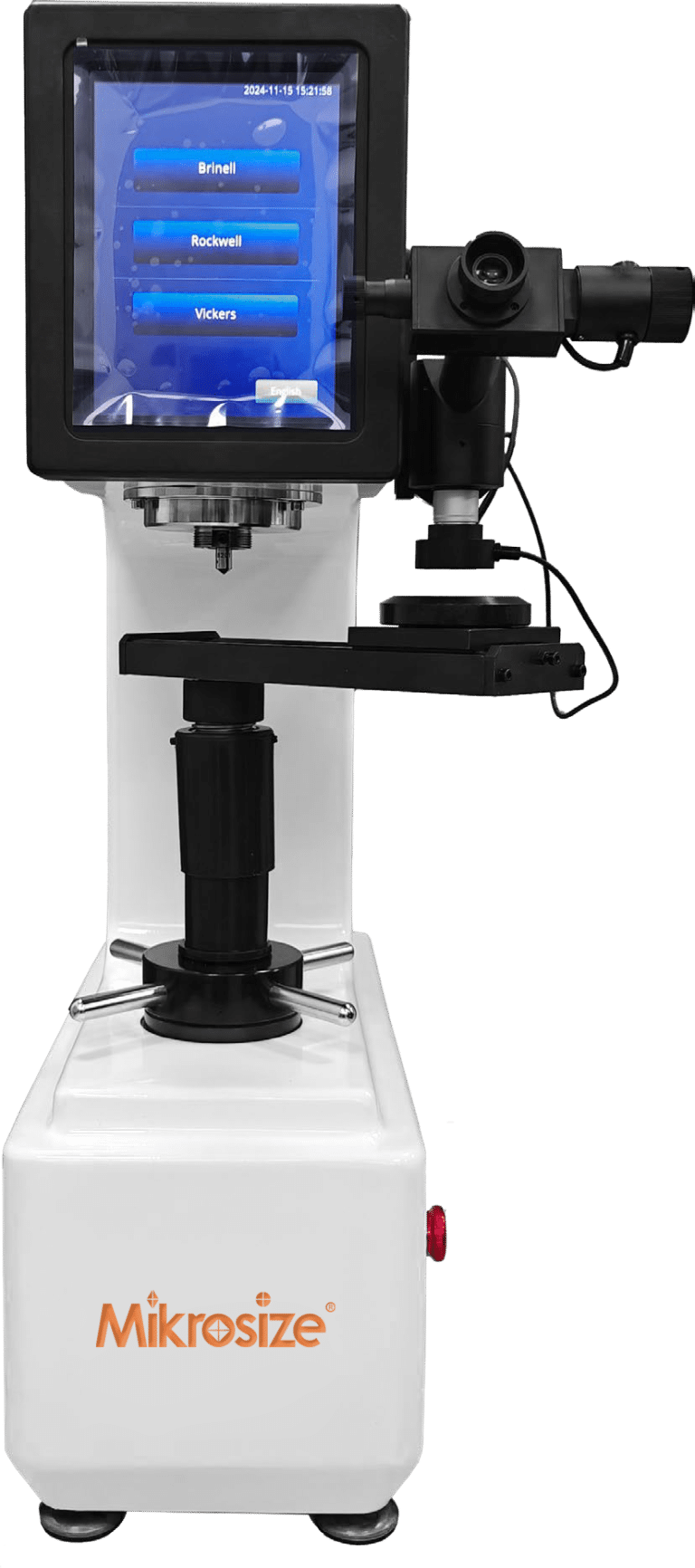
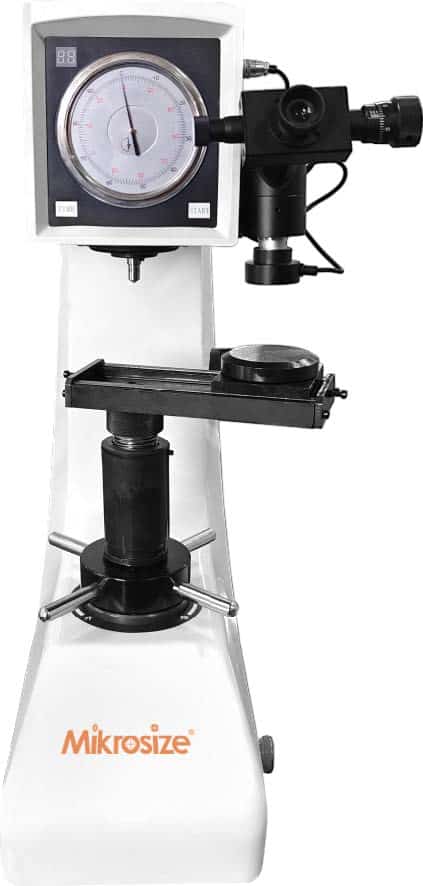
Various hardness testing technologies possess distinct technical characteristics and application scenarios, enabling targeted solutions for testing challenges under different operating conditions.
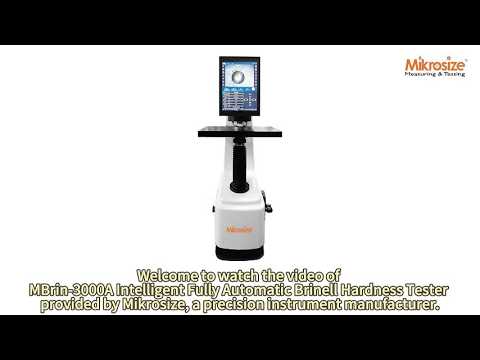
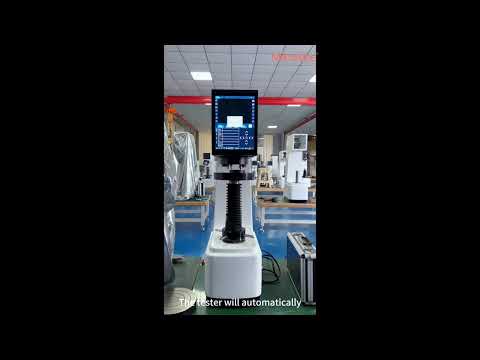
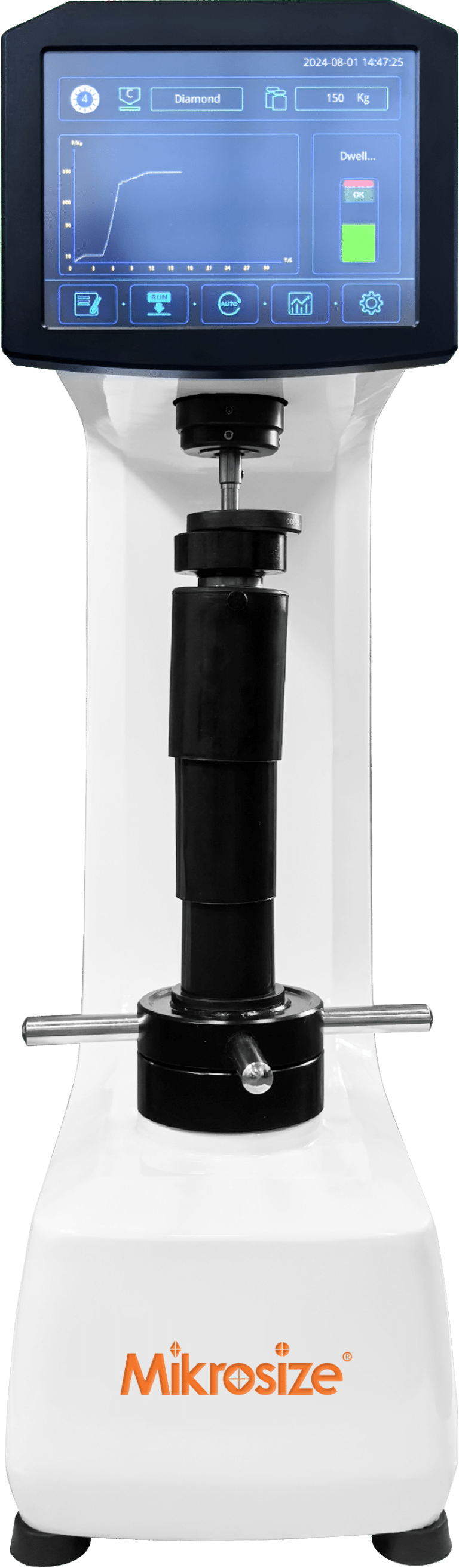
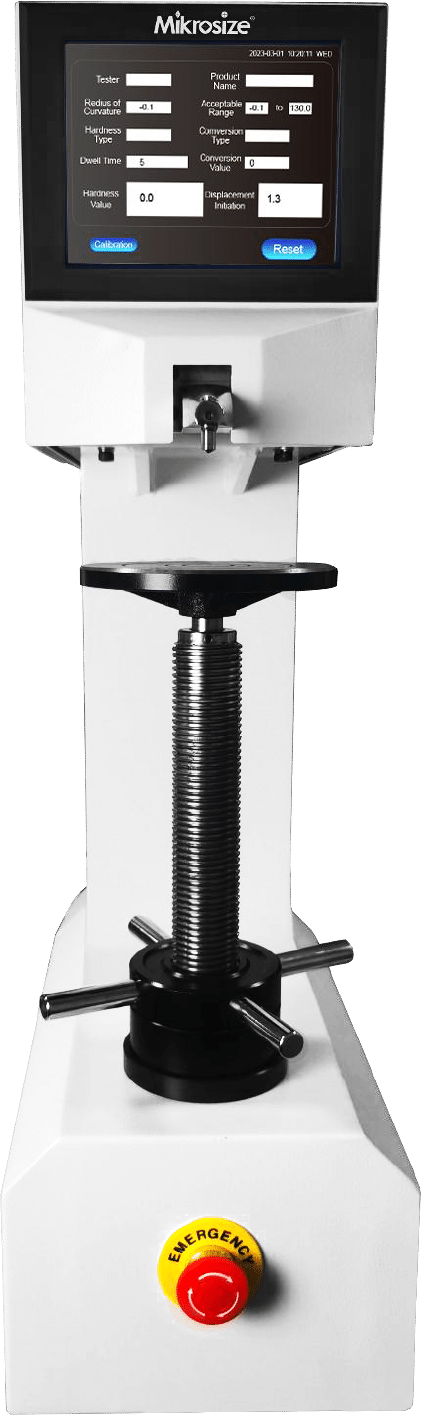
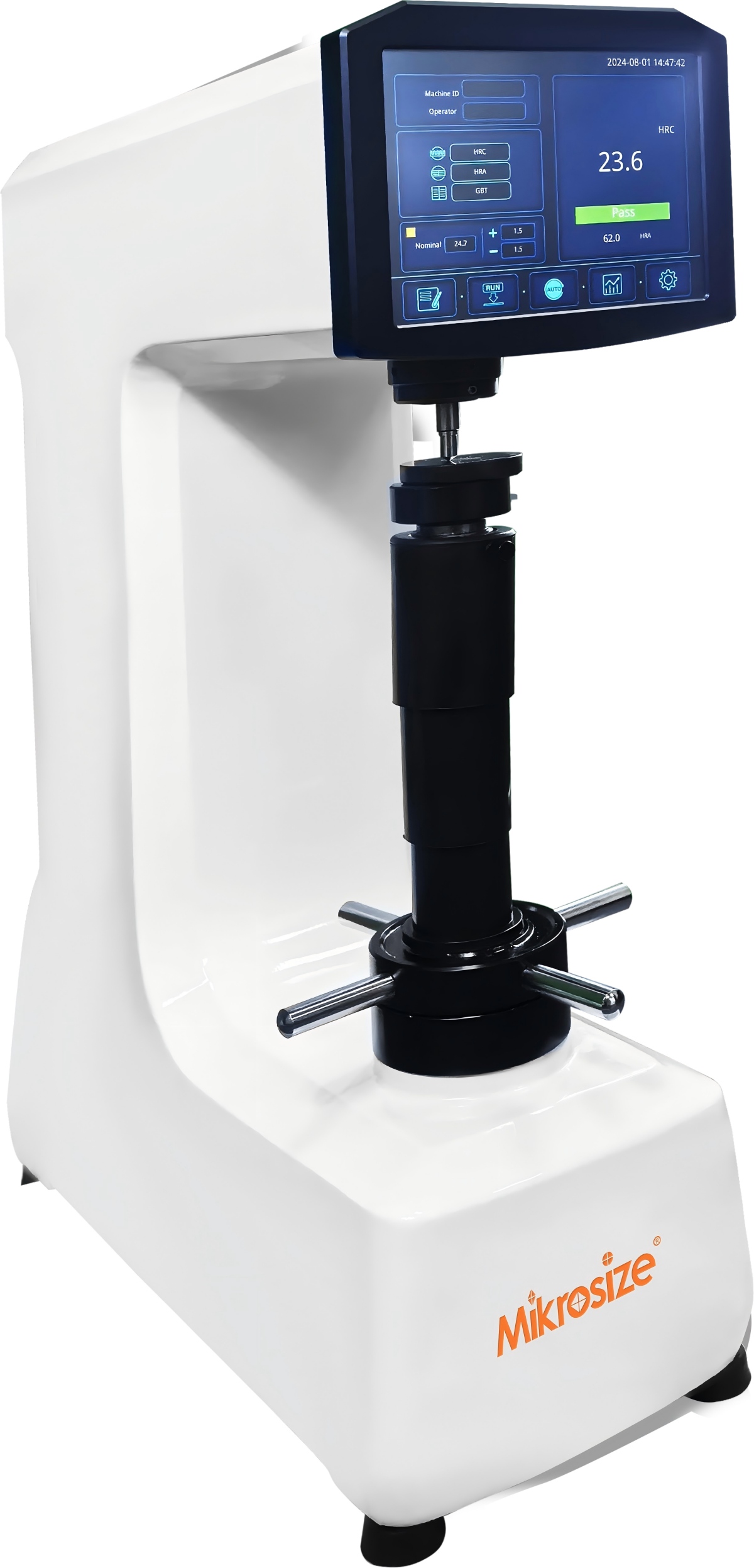
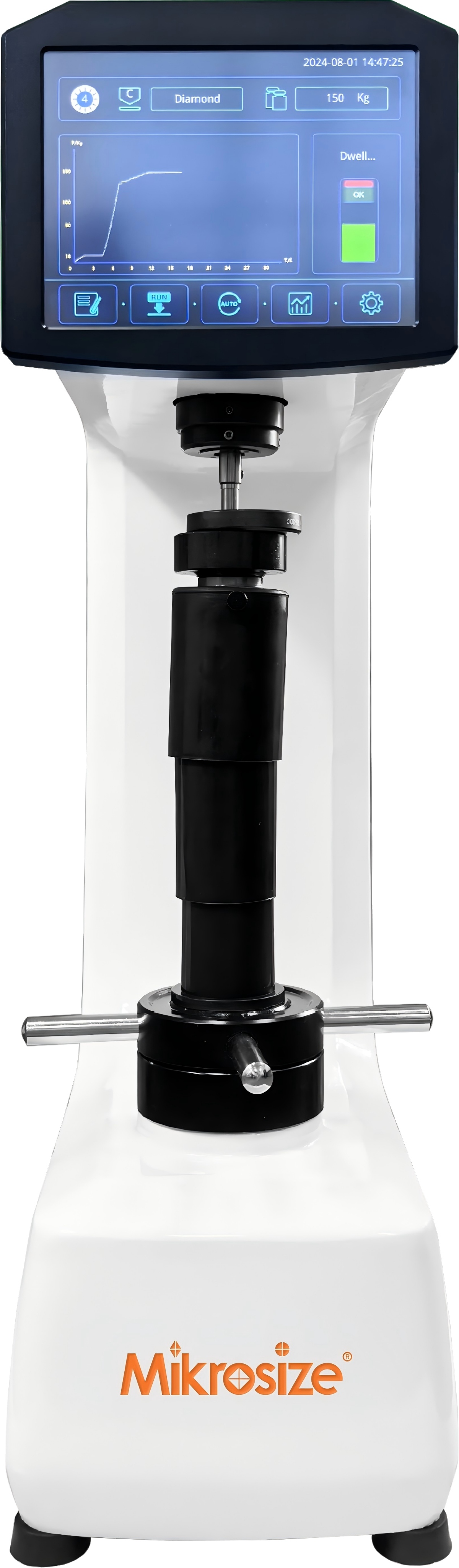
Brinell and Rockwell testing technologies rely on standard gravity loading operations, offering strong testing stability with regular and uniform indentations, making them widely used for batch hardness testing of conventional metals and large workpieces.
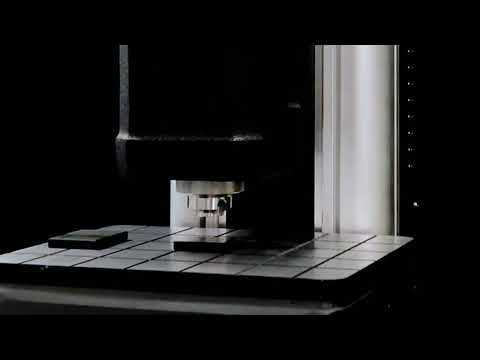
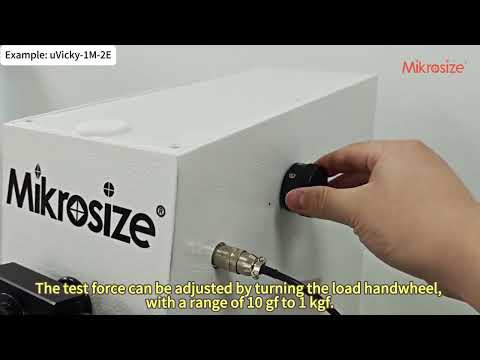
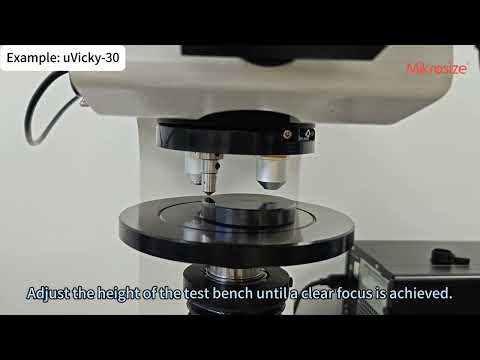
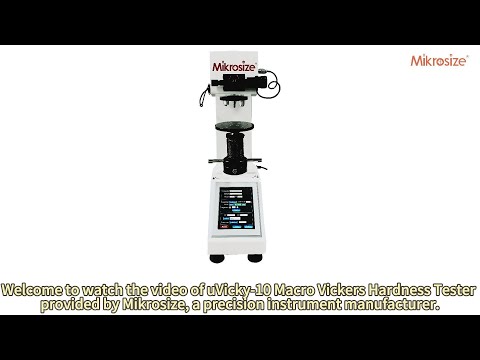
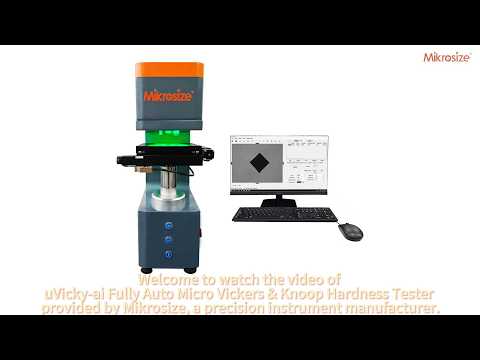
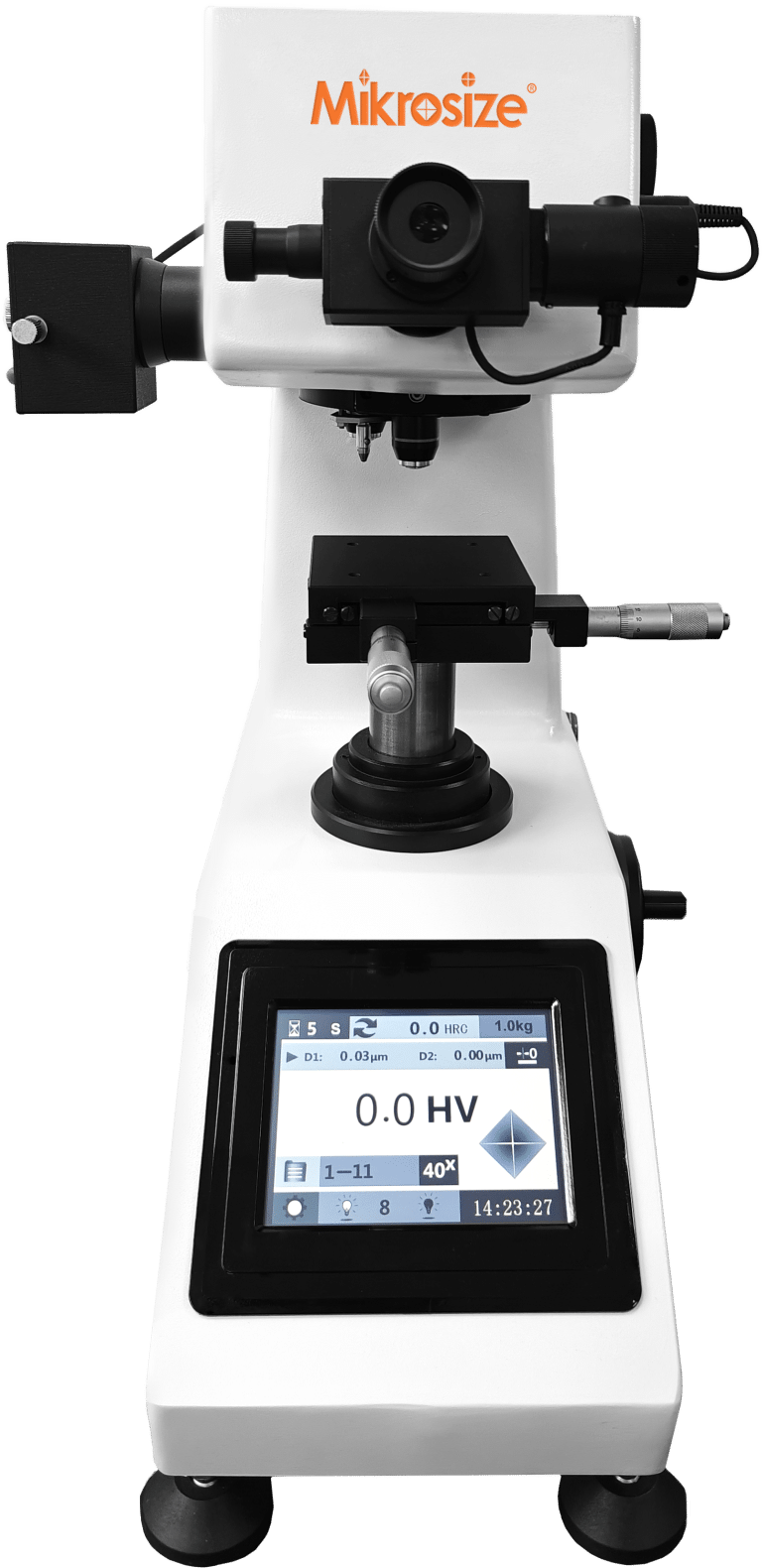
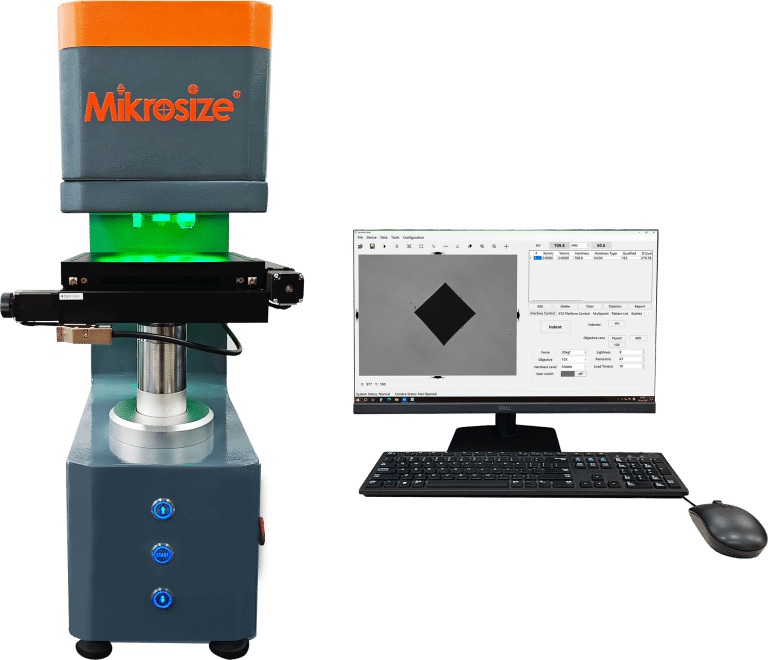
Vickers testing provides exceptional precision and a wide material adaptation range, but is better suited for small laboratory sample testing, failing to meet on-site testing demands for large stationary equipment or fully assembled finished products.
Commonly used Leeb testing equipment is suited for outdoor operations due to its portable and efficient advantages, though conventional errors may occur during multi-scale value conversion. Ultrasonic hardness testers adopt the mainstream industry-standard UCI (Ultrasonic Contact Impedance) testing process, creating extremely minute test indentations to achieve near non-destructive testing, thereby maximizing the integrity of the tested workpiece. Backed by core advantages of high precision, non-destructive operation, and high stability, this series of high-end models is positioned for high-end precision quality inspection scenarios, adapting to rigorous industrial testing standards.
The entire series of Mikrosize hardness testers features an ergonomically optimized design, offering a portable and lightweight body with simplified operating procedures. This significantly enhances operational efficiency in scenarios such as industrial production, quality control, equipment operation and maintenance, and on-site technical inspection, demonstrating outstanding industrial practicality. Supported by a comprehensive product line of testing equipment, Mikrosize provides all-material hardness testing solutions, capable of precisely inspecting conventional and special materials such as metals, plastics, rubber, composite panels, concrete, and leather.
The devices support the vast majority of mainstream hardness measurement units on the market, including Shore (HS), the full series of Rockwell scales, Brinell (HB), Vickers (HV), Leeb (HL), Barcol (HBA), Webster (HW), and international standard MPa (N/mm²) units, accommodating all types of industry testing specifications. Products are categorized into mechanical dial types and intelligent digital display types. Dial types are equipped with a 360° visible scale plate for clear readings from any angle; digital display types feature a high-definition LCD screen for real-time visual display of testing data. Most smart models have built-in high-capacity data storage modules and high-speed USB transmission interfaces, supporting one-click export, archiving, and PC-side data analysis of testing data, making it convenient for enterprises to build standardized quality inspection data systems.
Mikrosize portable series hardness testers come standard with a high-capacity built-in rechargeable battery, delivering robust endurance and the ability to operate for extended periods away from external power sources. This perfectly suits scenarios such as workshop work-stations without power access, outdoor on-site testing, and field inspections. Equipped with an integrated rebound testing structure and a wireless all-in-one design, they completely eliminate the constraints of traditional cables, effectively avoiding issues such as cable aging, poor contact, and line entanglement. This prevents testing errors from a hardware level, making testing operations more convenient, stable, and efficient while substantially improving on-site quality inspection efficiency.


.png)

.png)
.png)
.png)