If your hardness test results are inconsistent, the issue is rarely the machine itself—more often than not, it comes down to choosing the wrong indenter. Because the indenter takes the direct impact of the material, getting its material, geometry, and angles right is critical for accurate readings. To help you avoid common pitfalls, we’ve put together a practical breakdown of the most common metal and non-metal indenters (along with impact bodies and pin tips). As a technical team specializing in precision measurement, we at Mikrosize frequently field questions on this exact topic, so we wanted to share these field-tested insights.
1. How to choose metal hardness indenters
Metals span a massive hardness range, from soft aluminum to ultra-hard tool steel, meaning indenters must be carefully matched to the application:
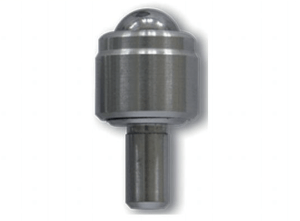
Specs: Tungsten carbide balls, with standard diameters of 10mm, 5mm, 2.5mm, and 1mm.
Application: Relies on a large indentation area to reflect the bulk hardness of a material. Best suited for soft rough castings, aluminum alloys, copper parts, and similar materials.
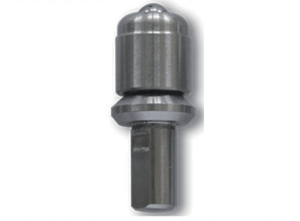
Diamond Cone Indenter: 120° included angle with a 0.2mm spherical tip radius. Tailored for high-hardness quenched steels and tool steels evaluated under HRC, HRA, and similar scales.
Steel Ball Indenters: Available in multiple diameters (1.588mm, 3.175mm, 6.35mm, 12.7mm). Used for softer metal scales like HRB.
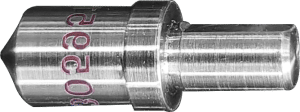
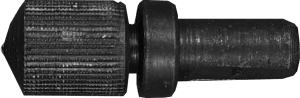
- Vickers & Knoop Micro-Indenters
Vickers Indenter: A diamond square-base pyramid with a 136° angle between opposite faces. Produces a minute indentation, making it ideal for thin-walled components, carburized/nitrided surface layers, and precision platings.
Knoop Indenter: An asymmetrical diamond pyramid. Primarily used for micro-hardness testing on ultra-thin hardened layers and tiny micro-components.
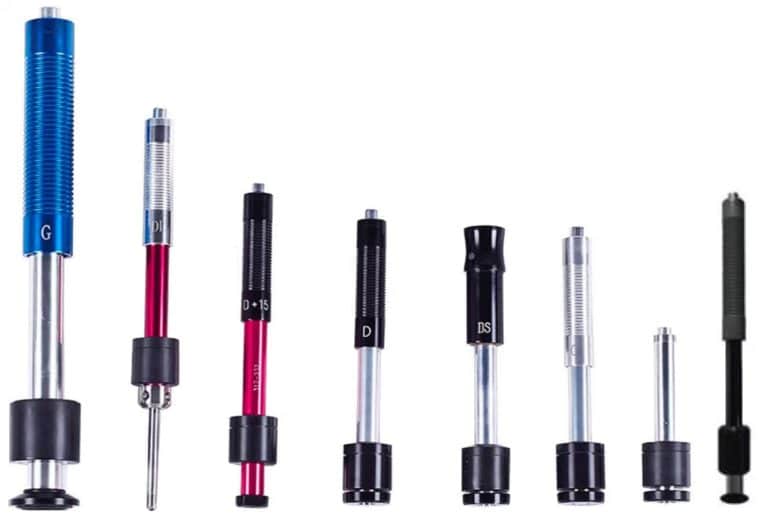
Specs: Commonly referred to in the industry as impact bodies, these function as specialized dynamic indenters and come in six types: D, DC, D+15, G, E, and C. Except for the E-type (which features a diamond tip), all are made of tungsten carbide. The G-type features a 5mm ball tip, while the others use a 3mm tip.
Application: Built for non-destructive, on-site testing of large castings and heavy molds. They are essential core accessories for portable hardness testers.
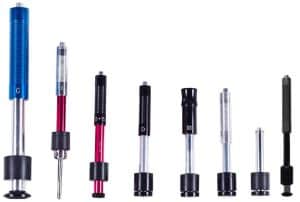
- Shore Impact Bodies
Diamond symmetrical impact bodies with a 1.0mm spherical tip radius. Mostly used for rapid screening on roll mills and large forgings.
2. How to choose non-metal test pins
When testing rubber, plastics, and composites, indenters are generally referred to as “pins” and typically feature truncated cone geometries:
Shore Pins:
- Shore A: 35° truncated cone with a 0.79mm flat tip for standard rubbers.
- Shore D: 30° cone with a 0.1mm spherical tip specifically for rigid plastics and hard rubbers.
- Webster Pin: 60° truncated cone with a 0.4mm tip—the industry standard for aluminum alloy profiles.
- Barcol Pin: 26° truncated cone with a tiny 0.157mm tip, used to test the hardness of fiberglass-reinforced plastics and composites.
3. Core selection quick reference
High-hardness steels and heat-treated molds: Rockwell diamond cone, Vickers diamond pyramid, Leeb E-type diamond impact body.
Aluminum, copper, and cast iron rough castings: Brinell tungsten carbide ball indenter.
Large, immovable workpieces: Portable Leeb tungsten carbide impact bodies.
Rubber, plastics, and aluminum profiles: Corresponding Shore, Webster, or Barcol specialized pins.
A final note: Treat indenters as consumables
Over time, heavy and frequent use will inevitably cause wear, chipping, or deformation. Once an indenter develops microscopic scratches or alters its geometry, it behaves like a dull blade, continuously pumping out measurement errors and potentially invalidating your QC data. If your data starts to drift, always inspect the indenter first—and replace it when worn.
If you are dealing with challenging applications or unsure which specification fits your setup, feel free to reach out to Mikrosize. With our deep expertise in precision measurement and tooling, we can help you streamline your setup and get reliable results every time.
-150x150.jpg)