-768x418.jpg "Operation Guide for Automatic Metallographic Grinder-Polisher: Grinding, Polishing Procedures & Safety Protocols 1")
An automatic metallographic grinder-polisher stands as core lab equipment for metallographic specimen preparation. Standardized operation is critical for generating flat, damage-free specimen surfaces for microstructure observation, hardness testing and material failure analysis. This blog walks you through step-by-step grinding and polishing workflows, alongside mandatory safety specifications for reliable metallographic pre-processing.
1. Grinding Operation Procedures
Grinding aims to eliminate cutting-induced damage layers on metallographic specimens and build flat foundational surfaces for subsequent polishing work.
Pre-Preparation
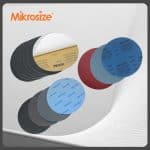
Select silicon carbide abrasive papers with appropriate grit sizes, starting from coarse grit. Thoroughly rinse the abrasive paper with clean water, then lay the wet abrasive paper flat and tightly onto the grinding platen.
Machine Setup
Turn on the water supply valve and adjust water flow rate. Continuous water irrigation delivers cooling effect and washes away abrasive debris during wet grinding. Power on the device, and let the grinding platen rotate stably at preset rotational direction (normally counter-clockwise).
Specimen Grinding
Hold the metallographic specimen steadily, bring it gently toward the rotating abrasive paper. Once stable contact without bouncing is achieved, apply uniform downward pressure. Adjust pressing force according to specimen material hardness; relatively higher pressure (approx. 2 kgf) is acceptable for initial coarse grinding to boost material removal efficiency. Move the specimen slowly in radial direction from platen center outward to guarantee even grinding and prevent deep scratch formation.
Post-Grinding Treatment
Upon finishing one grit-size grinding cycle, fully rinse the specimen. Replace abrasive paper with finer-grit media and repeat above grinding steps repeatedly until the specimen surface shows no obvious deep scratches.
-249x300.jpg "Operation Guide for Automatic Metallographic Grinder-Polisher: Grinding, Polishing Procedures & Safety Protocols 2")
-248x300.jpg "Operation Guide for Automatic Metallographic Grinder-Polisher: Grinding, Polishing Procedures & Safety Protocols 3")
2. Polishing Operation Procedures
Polishing removes fine grinding scratches and delivers mirror-grade surface gloss for metallographic observation.
Pre-Preparation
Pick suitable polishing fabrics such as velvet cloth or nylon polishing cloth. Pressure-sensitive adhesive backed polishing pads can be directly adhered to the polishing platen. Non-adhesive polishing textiles shall be laid flat and secured tightly with outer retaining rings.
Polishing Agent Application
Dispense proper volume of polishing suspension (diamond spray, alumina suspension etc.) at the center of spinning polishing platen, so the abrasive medium spreads evenly across the polishing fabric surface.
-300x264.jpg "Operation Guide for Automatic Metallographic Grinder-Polisher: Grinding, Polishing Procedures & Safety Protocols 4")
-300x241.jpg "Operation Guide for Automatic Metallographic Grinder-Polisher: Grinding, Polishing Procedures & Safety Protocols 5")
Specimen Polishing
Start platen rotation. Firmly grip the specimen and press it moderately against polishing cloth. Initially place the specimen near platen center, then gradually shift it toward outer edge to utilize full platen area for homogeneous polishing. Maintain moderate contact pressure: excessive pressure will trigger new surface scratches, while insufficient pressure leads to low polishing throughput.
Process Monitoring & Adjustment
If polishing fabric becomes sticky or polishing performance degrades, supplement extra polishing liquid or purified water to maintain optimal medium condition. When polishing fabric suffers abrasion, contamination or tearing, replace it promptly to avoid deteriorated surface quality or specimen scratching.
3. Safety Operation & Precautions
Compliant operation protects lab personnel, preserves equipment integrity and safeguards metallographic specimen quality.
Electrical & Equipment Safety
Inspect power cords and switches for defects before operation. Reliable equipment grounding must be guaranteed to prevent electric shock hazards. Confirm all protective covers are properly closed before startup. Never conduct component installation-removal or cleaning work while rotating components are still running.
Personal Safety
Stay focused throughout operation. Securely hold specimens to prevent specimen ejection and avoid finger contact against spinning platens. Fine abrasive particulates will generate during grinding-polishing cycles; perform lab work under well-ventilated conditions or wear protective respirators.
Equipment Maintenance & Specimen Protection
Cut off power supply and shut down water source after operation. Thoroughly clean machine components and workbench surface to avoid abrasive residuals triggering blockage or corrosion. Always follow the “coarse-to-fine” processing principle. Completely clean specimens and operators’ hands between individual steps. Prevent coarse abrasive particles from previous procedures contaminating next-stage consumables or ruining finished specimen surfaces.
Summary
Following standardized grinding-polishing workflows and strict safety rules enables lab technicians to produce high-quality metallographic specimens that satisfy metallographic analysis requirements. Improper parameter setting, skipped grit transitions or poor cross-step cleaning will introduce scratches, deformation layers and artifacts that mislead material microstructure interpretation.
If you are seeking reliable lab equipment and consumables for metallographic sample preparation, Mikrosize delivers one-stop precision metallographic specimen preparation solutions. Mikrosize provides complete portfolios covering automatic grinder-polishers, cutting machines, mounting presses, diverse abrasive consumables and after-sales technical guidance, helping material-testing labs achieve repeatable, high-efficiency metallographic pre-processing for metals, alloys, ceramics and composite materials Mikrosize.
-300x163.jpg "Operation Guide for Automatic Metallographic Grinder-Polisher: Grinding, Polishing Procedures & Safety Protocols 6")
-150x150.jpg)