In material testing, industrial manufacturing and quality control, the tensile tester stands as one of the most essential precision lab instruments. Many new engineers, lab technicians and procurement staff feel confused about its definition, working principle and real-world usage. To master how a universal testing machine works, you need to understand its definition, core structure and practical functions first, then build systematic knowledge step-by-step. This beginner-friendly guide will help you get up to speed rapidly.
What Is a Tensile Tester?
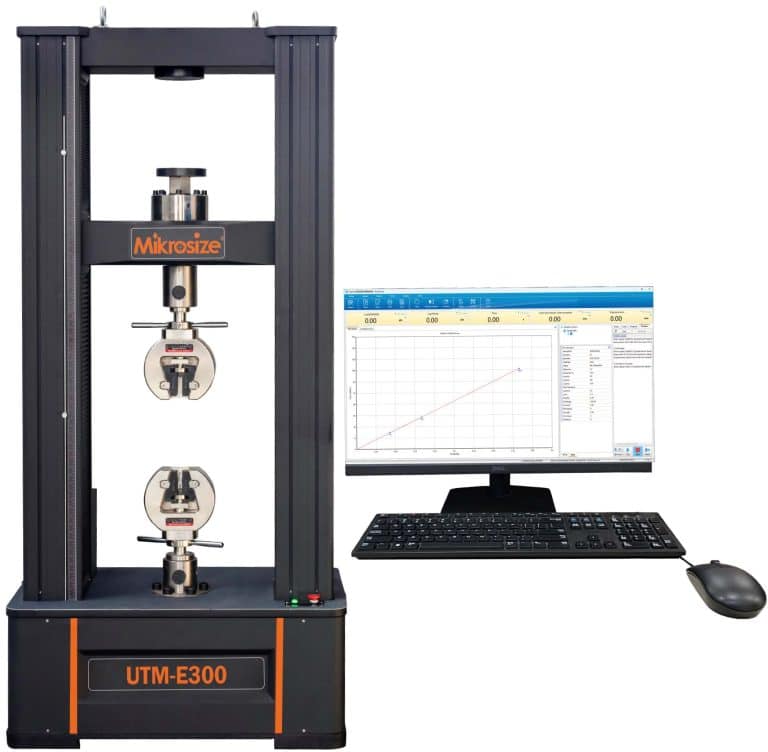
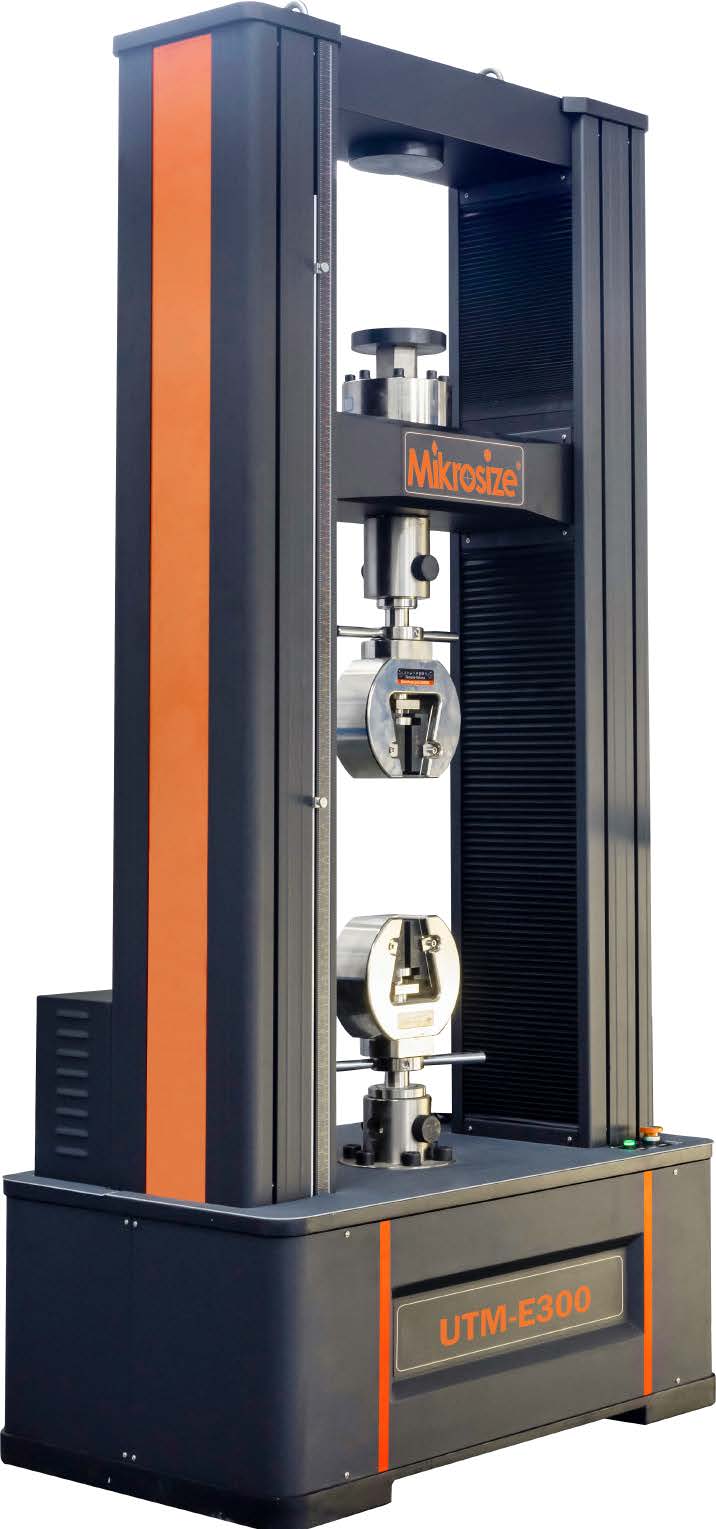
The full name is Electronic Universal Material Tensile Testing Machine, widely shortened to universal testing machine (UTM) or tensile tester. It is precision test equipment built to evaluate mechanical performance of raw materials and finished components.
Working Principle
Its mechanical drive system delivers controllable, uniform forces including tension, compression, bending, peeling, tearing and shearing, simulating real-world stress conditions for specimens. High-accuracy load cells and data acquisition systems record real-time force values and specimen deformation. Critical mechanical parameters are automatically calculated for quality evaluation.
Simply put, a universal tensile tester acts as a mechanical health checker for materials. It covers metals, plastics, rubber, textiles, leather, wires, hardware parts and medical-grade products. Operators verify strength, toughness, ductility and durability against industry standards.
Thanks to multi-mode test capacity beyond pure tensile pull tests, it supports tensile test, compression test, flexural bending test, peel test, tear test and puncture test. It is heavily adopted in mechanical manufacturing, light-industry textile, automotive, aerospace, medical device production and university research labs, delivering objective test data for R&D, process optimization and incoming-goods quality inspection.
Main Components of Universal Testing Machine
- Main host frame: Stable mechanical platform for all test runs
- Transmission drive system: Controls cross-head moving speed and travel range
- Load cell (force sensor): Captures high-precision force-load readings
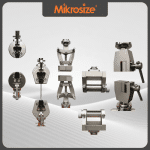
- Test fixtures & grips: Secure different shapes and sizes of test specimens
- Control system: Sets test speed, test modes and travel limits
- Display & data processing system: Output test curves and key test reports
Common output metrics: tensile strength, yield strength, elongation at break, peel strength, Young’s modulus (elastic modulus), maximum test force.
How to Quickly Learn About Tensile Testers
You do not need to memorize complex technical specs at the very beginning. Follow the sequence: basic classification → core indicators → hands-on workflow → knowledge expansion → avoid common misconceptions.
Step 1: Learn Core Classification for Quick Selection
1. By test force capacity
- Single-column tensile tester: Small-force bench-top unit for thin films, textiles, adhesive tapes and other soft low-load materials.
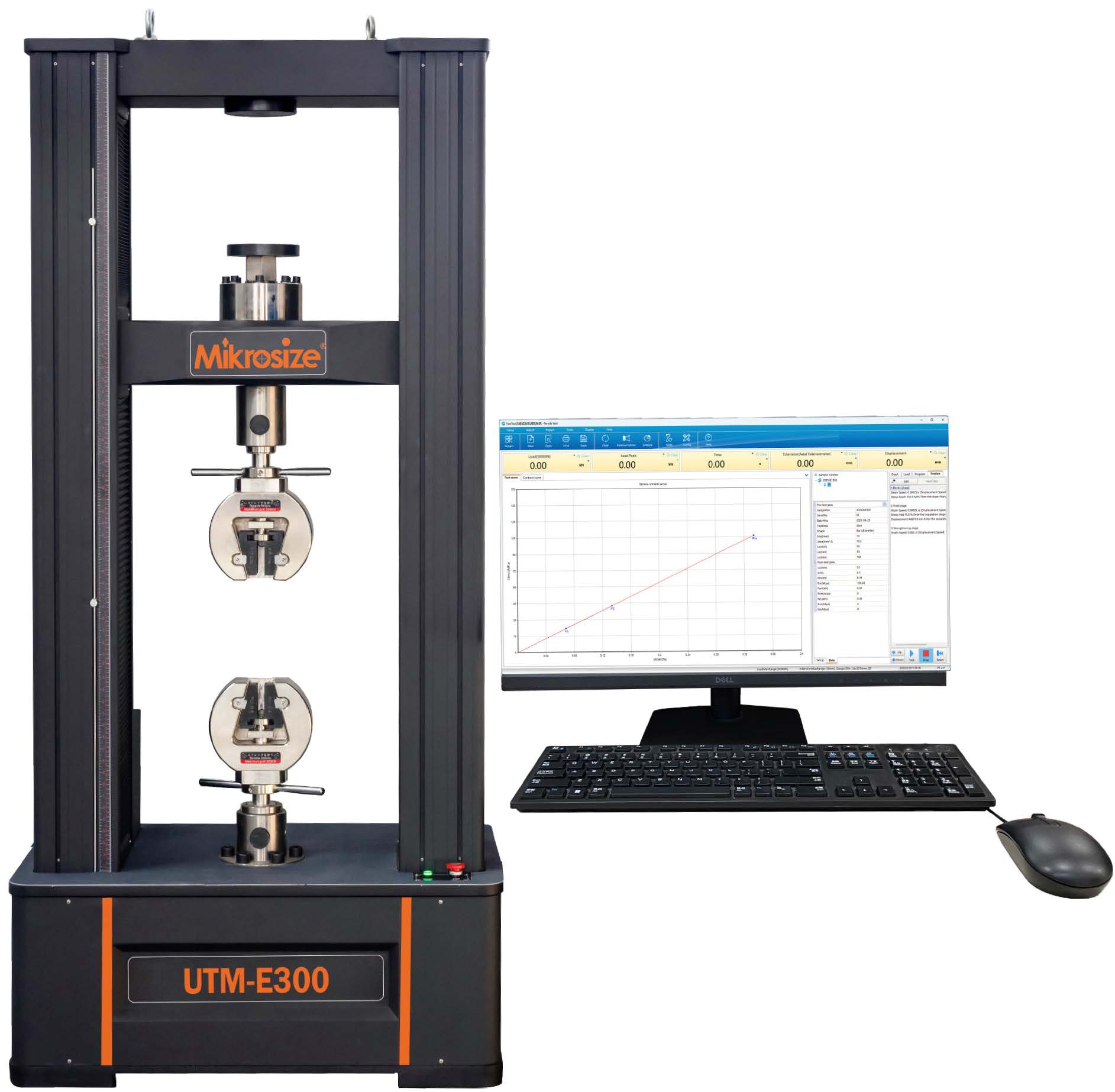
- Dual-column universal testing machine: High-force heavy-duty frame for metals, building materials and hard hardware components.
2. By control mode
- Digital display tensile tester: Entry-level QC model; directly shows force and displacement readings for routine factory quality checks.
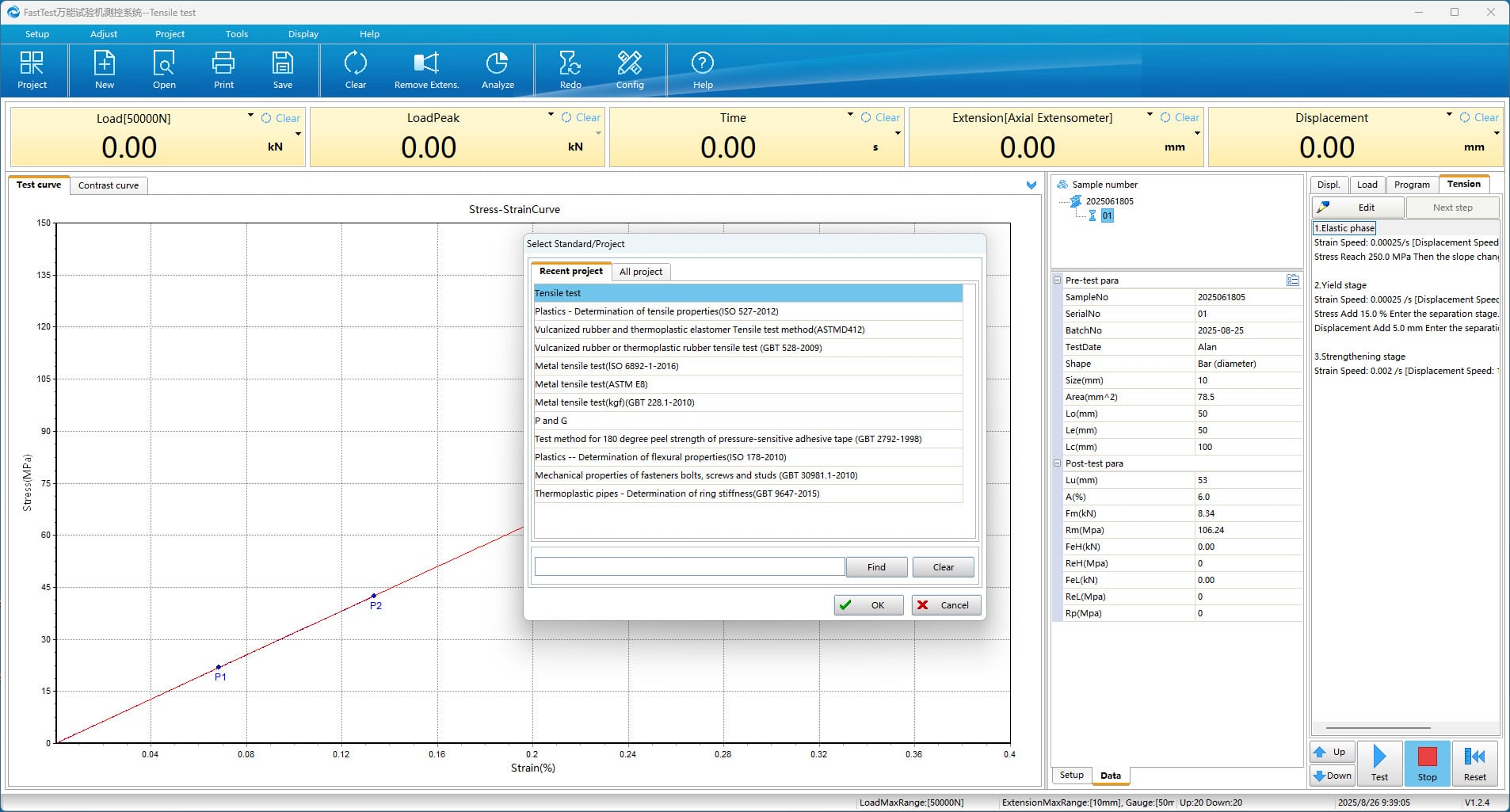
- Computer-controlled UTM: High-end configuration connecting to PC software. It generates real-time stress-strain curves, exports editable test reports and fits research-grade high-precision testing work Mikrosize.
3. By application purpose
- General-purpose universal testing machine: Covers most common material test scenarios.
- Specialized tensile tester: Custom-optimized for niche industries, e.g. wire-cable tensile tester, leather tear tester, adhesive tape peel tester.
Step 2: Master Key Test Scenarios & Performance Indicators
- Core test modes: tension, compression, bending, peeling, tearing, puncture.
- Must-know test indicators:tensile strength, yield strength, elongation at break, peel strength, Young’s modulus, maximum force
- If your project needs to verify whether products are pull-resistant, compression-resistant, tear-resistant or bend-resistant, a tensile tester will be your primary lab instrument.
Step3: Get Familiar with Standard Operating Procedure (SOP)
Theory works best paired with hands-on practice. Standard workflow is repeatable across most UTM devices:
- Preparation: Install matching grips and securely mount test specimen; power on equipment.
- Parameter setup: Input specimen dimensions, configure test speed and select corresponding test mode via controller or PC software.
- Start test: Cross-head runs at constant speed and applies force until specimen fractures or reaches preset stop condition.
- Extract test data: Read force value, deformation and elongation data from screen or software dashboard.
- Post-test: Power off the unit, remove broken specimen remnants and archive test data files.
Note for beginners: Focus on regular operation at first; skip deep-diving into advanced calibration and equipment repair work.
Step4: Expand Knowledge with Practical Learning Resources
- Read official product manuals: Understand hardware structure, operation steps and safety warnings from original manufacturer documentation.
- Watch demo videos: Visual operation demos help you grasp real test processes faster than pure text reading.
- Check industry test standards: Review ISO, ASTM or local national standard documents for your target material to understand compliance requirements.
- Consult experienced engineers: Solve practical troubleshooting pain points by communicating with lab operators and technical specialists.
Step5: Avoid Typical Beginner Misconceptions
- ❌ Misconception 1: Tensile testers can only run tensile pull tests. ✅ Reality: Changing fixtures enables compression, bending, peel and tear tests, hence the name “universal” testing machine.
- ❌ Misconception 2: Chase overly complex technical parameters without learning basic workflow. ✅ Reality: Master classification, indicators and operation first before diving deep into advanced parameters.
Frequently Asked Questions (QA)
Q1: What is the difference between a tensile tester and a universal testing machine?
A: A tensile tester is a general functional name. Universal Testing Machine (UTM) is the formal term. Most modern UTMs do far more than tensile testing. With interchangeable fixtures, they can finish compression, bending, peeling and shear tests within one machine frame.
Q2: Should I pick single-column or dual-column tensile tester?
A: Choose single-column for small-force tests (usually ≤5 kN): plastic films, adhesive tapes, paper and thin soft polymer samples. Pick dual-column UTM for high-force applications such as metal bars, building materials and rigid hardware parts that bear large test loads.
Q3: What key metrics do I get from tensile testing?
A: The most frequently used outputs are tensile strength, yield strength, elongation at break, peel strength, Young’s modulus and maximum breaking force. These values decide whether materials meet product design and QC acceptance criteriaInstron.
Q4: Can a universal testing machine run peel and tear tests for adhesive tape & film samples?
A: Yes. Install dedicated peel fixtures or tear grips. Both 90-degree peel test and 180-degree peel test can be completed with a general-purpose UTM. For ultra-high repeatability in mass production QC, you can select specialized test models from brands like MikrosizeMikrosize.
Q5: How often should I calibrate my tensile tester?
A: Follow metrology standards like ISO 7500-1 and ASTM E4. Regular calibration helps guarantee data accuracy. Production-intensive labs usually perform calibration every 6-12 months, and you need intermediate checks before critical batch testing. Many Mikrosize universal testing machines are pre-calibrated before factory delivery and support third-party metrology verification services.
Q6: Why do my repeated tests show big data deviation for identical specimens?
A: Common causes include misaligned specimen installation, improper grip selection, inconsistent specimen preparation, or lack of regular equipment calibration. Verify fixture parallelism and follow standardized specimen preparation procedures to improve test repeatability.
Conclusion
A universal material tensile testing machine (UTM / tensile tester) is the core lab instrument for material mechanical-property evaluation. It delivers reliable quantitative data for product quality control, new-material R&D and process validation across dozens of industries.
New learners can build solid competence quickly by learning classification, core performance indicators and basic operating workflows, and avoid common cognitive pitfalls. When selecting reliable test equipment for your lab or production line, Mikrosize provides a complete portfolio of single-column and dual-column universal testing machines, covering small-force film peel tests up to heavy-duty metal tensile tests. Mikrosize UTM systems comply with mainstream ISO and ASTM standards, with stable load-cell performance, flexible fixture compatibility and user-friendly test software, supporting high-repeatability quality-control and research-grade material-testing projects for global manufacturers and academic labs.
-150x150.jpg)