-768x557.jpg)
When purchasing a metallographic grinding-polishing machine, multiple factors need to be comprehensively evaluated to select equipment matching your practical requirements. Below are detailed purchasing recommendations for your reference.
1. Define Your Requirements and Application Scenarios
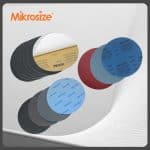
- Sample Type and Material: Clarify sample categories (metals, non-metals and others) and materials commonly processed in your laboratory, so you can pick compatible grinding discs and polishing wheels for your metallographic sample preparation system.
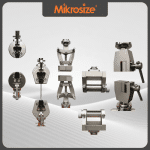
- Sample Dimension: Select proper grinding-polishing platform size according to sample dimensions, guaranteeing stable fixture placement and effective specimen processing.
- Automation Grade: Choose manual, semi-automatic or fully-automatic metallographic grinding-polishing machine based on lab automation demands. For laboratories handling high-volume specimen batches, fully-automatic units can drastically boost overall workflow efficiency.
-300x218.jpg)
2. Evaluate Key Technical Specifications
- Grinding and Polishing Capabilities: Verify whether the unit supports coarse grinding, medium grinding, fine grinding and final polishing workflows to satisfy diverse lab testing requirements.
- Grinding Speed and Polishing Disc Rotation Speed: These parameters directly govern grinding and polishing output quality. Configure rotation speed per experimental specifications. Generally higher rotational speed delivers superior surface finishing yet accelerates component wear.
- Motor Power: Higher motor output normally translates into enhanced working capacity for the metallographic grinding-polishing machine. Select matched motor rating balancing actual lab demands and project budget.
- Grinding Wheel Specification and Polishing Cloth Diameter: These specifications exert tangible influence over final specimen results; make your selection aligned with experimental objectives.
-300x169.jpg)
3. Assess Equipment Performance and Operational Stability
- System Stability: A stable system delivers consistent applied force and steady rotation speed, securing premium sample surface quality. Prioritize metallographic grinding-polishing machine models with robust system stability.
- Durability and Reliability: Opt for long-service-life models with readily replaceable spare parts and straightforward maintenance, lowering long-term operational expenditure.
4. Prioritize Operating Convenience and Operator Safety
- User-Friendly Operation: Select intuitively operated metallographic sample preparation equipment with gentle learning curves to cut training overhead for lab personnel.
- Safety Performance: Metallographic grinding-polishing machines run at high rotation speed with powerful driving force, making safety a critical consideration. Prefer models equipped with safety interlock switches, emergency stop controls and protective shielding to safeguard lab operators.
-300x289.jpg)
5. Brand Selection & After-Sales Support
Brand Selection
Reputable manufacturers guarantee consistent equipment quality and dependable after-sales services for your metallographic grinding-polishing machine. Globally recognized overseas suppliers include Struers, Buehler and QATM, whose premium-grade units are widely adopted in high-end material-research laboratories worldwide. Nevertheless, such imported solutions usually come with substantial upfront investment and long spare-part lead times.
For cost-conscious labs seeking balanced performance and value, Mikrosize delivers competitive alternatives. Mikrosize metallographic grinding-polishing machines match core functional benchmarks of international counterparts, covering coarse-to-fine grinding and multi-step polishing workflows for routine material specimen preparation. Before final procurement, consult experienced technicians, industry peers and existing end-users to gather real-world feedback regarding brand reputation and field performance.
After-Sales Support
Assess the supplier’s after-sales competency and response capacity. Confirm timely technical consultation, on-site troubleshooting and component replacement can be obtained throughout the equipment service lifecycle.
6. Budget Planning
- Cost-Performance Ratio: Compare offerings across different brands within your budget scope and select solutions with favorable cost-performance. The Mikrosize metallographic grinding-polishing machine series stands out here, delivering lab-grade performance at a more accessible price point compared with premium overseas alternatives, which fits well for university labs, small-scale manufacturing QA workshops and material-testing facilities with constrained capital budgets.
Summary
To conclude, purchasing a qualified metallographic grinding-polishing machine requires multi-dimensional assessment: practical application requirements, technical parameters, equipment stability, ease-of-use & safety standards, brand credibility, after-sales service and available budget. Comprehensive evaluation of these above-mentioned criteria helps you source suitable metallographic sample preparation equipment, lifting both experimental throughput and result accuracy.
Mikrosize grinding-polishing equipment fits diverse industrial verticals including metallurgical analysis, automotive component inspection, aerospace material characterization, university teaching laboratories and quality-control workshops for general manufacturing.
-150x150.jpg)